

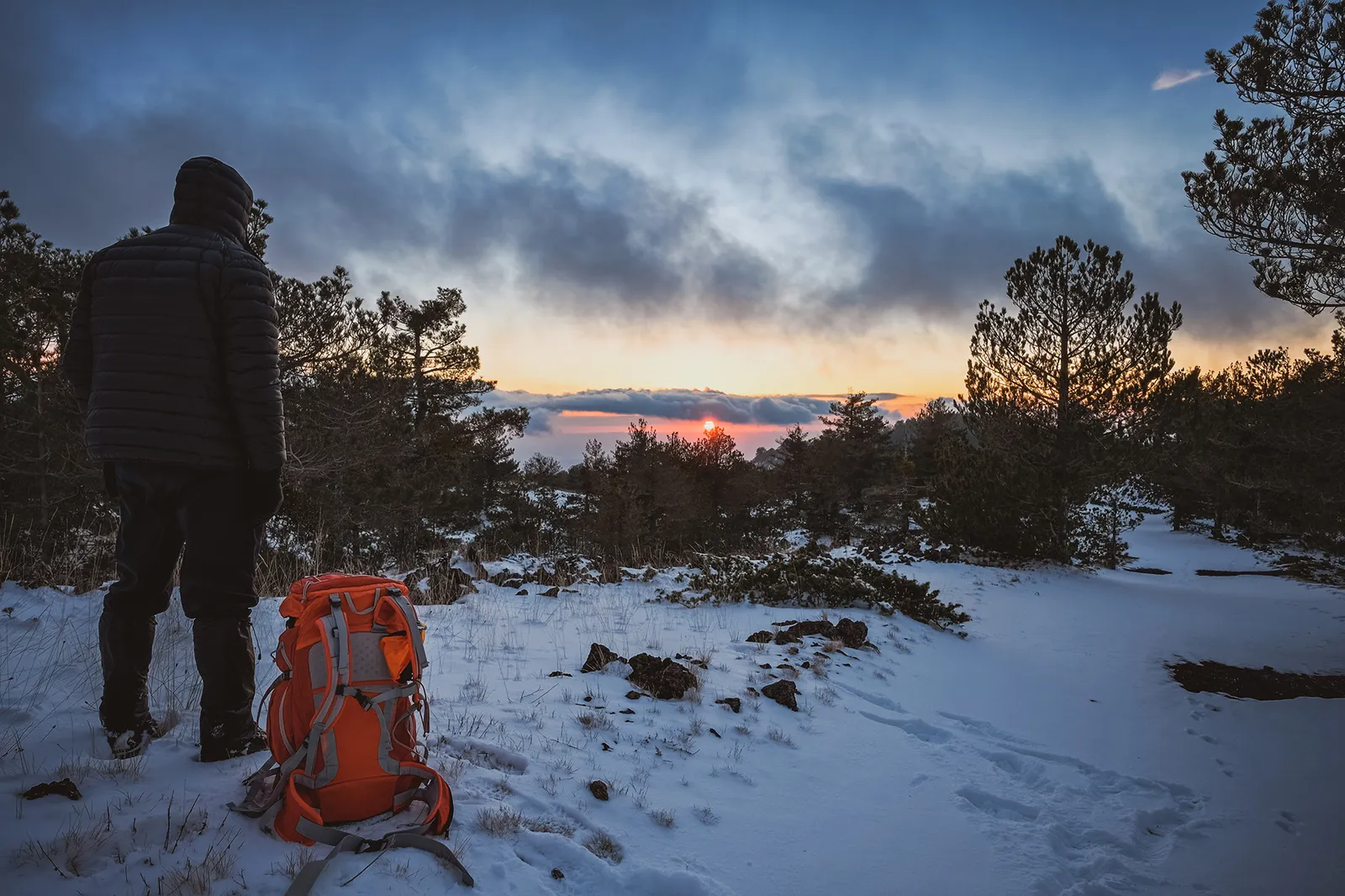
How do you pick the right survival gear? It comes down to the Rule of Three. Of course, you know the average person can survive up to three weeks without food, but only three days without water and only three hours outside of their core body temperature?
Having the Right Survival Gear
The good news is that you can greatly increase your chance of survival — if you have the right survival gear with you (and know how to use them).
Fire Starter
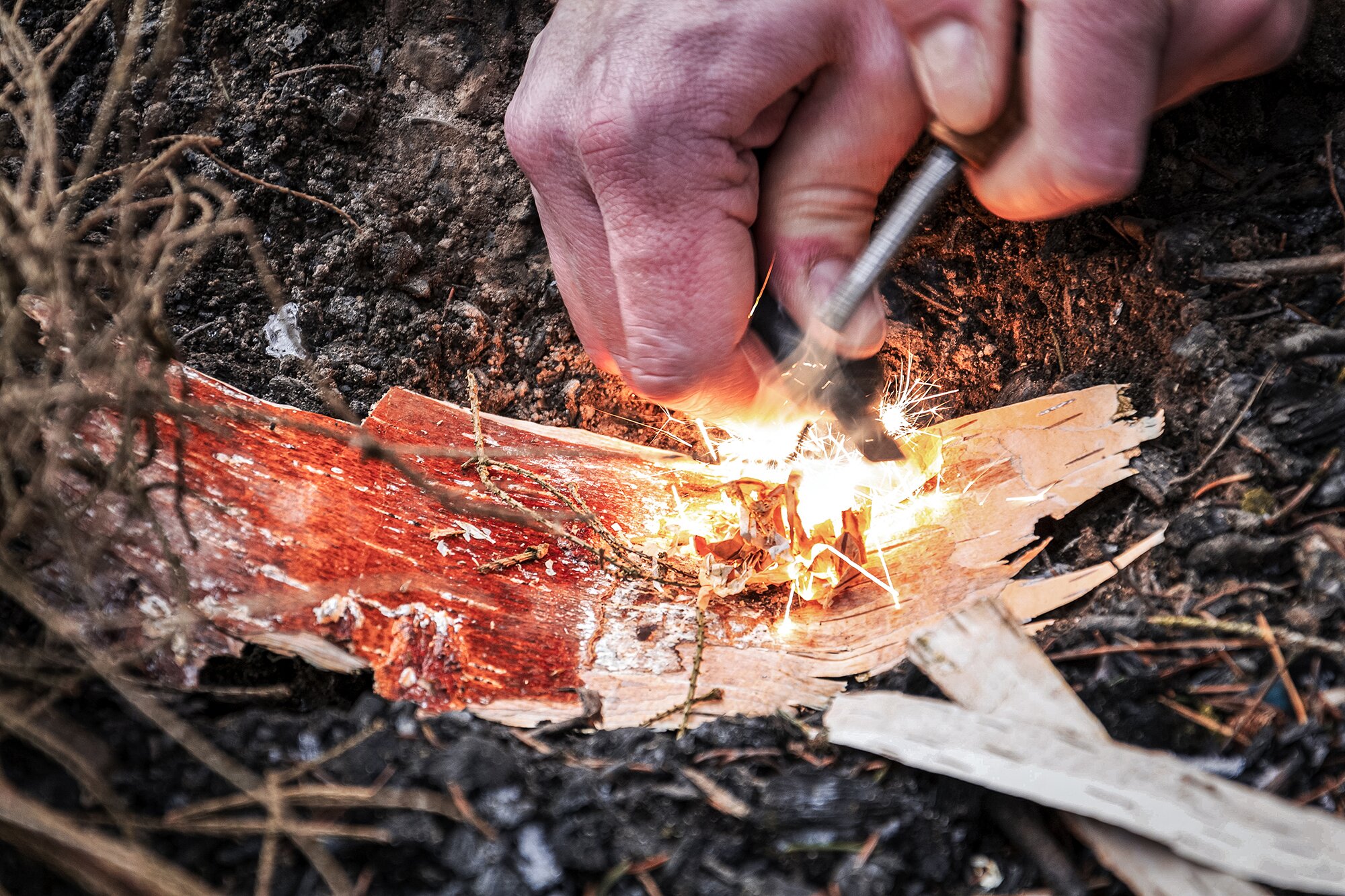
Starting a fire in the wilderness is one of the most important things you need to be able to do. You can survive the cold, fight off hungry predators, and cook yourself a meal. This is why the ability to make fire becomes the number one critical survival item to have on you at all times.
In fact, always have at least three ways of starting a fire in your survival gear. Don’t take chances with fire starters. Pack matches, a lighter, and a striker. Supplement this by packing some tinder and other starting aids. Carry it all in a waterproof container and store them separately and within easy access.
Survival Knife
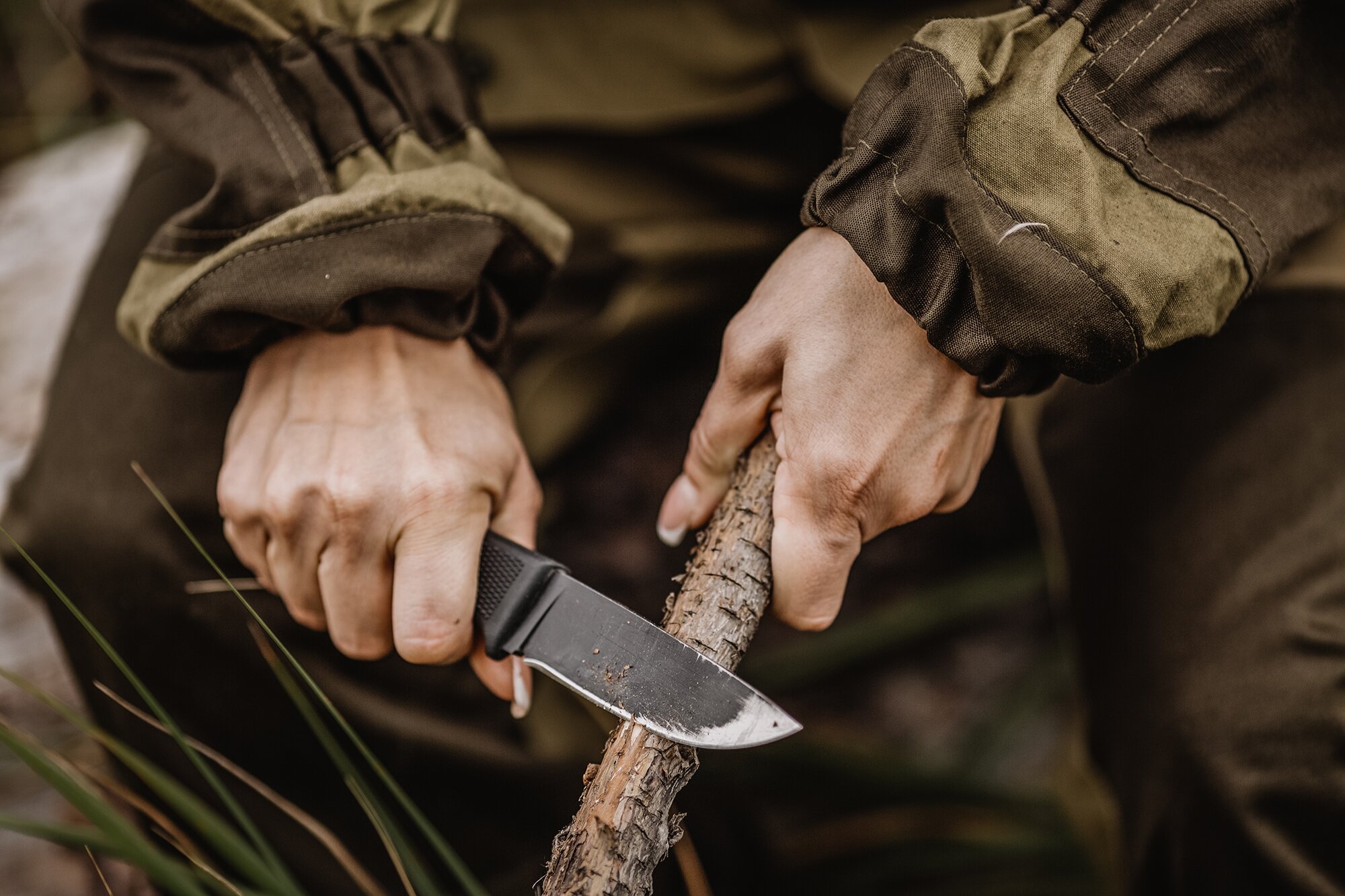
A good, reliable survival knife will be essential to survival. Choose a high-quality survival knife or a multi-purpose tool with a blade. Your knife should be able to skin your hunt, cut branches, and sharpen sticks, at least. The ideal survival knife must be strong and razor sharp. The same principle of redundancy applies here as well. Should your knife break or you lose it, you’ll definitely want a reliable backup.
RELATED – Understanding Blades: The Survival Knife
Map and Compass
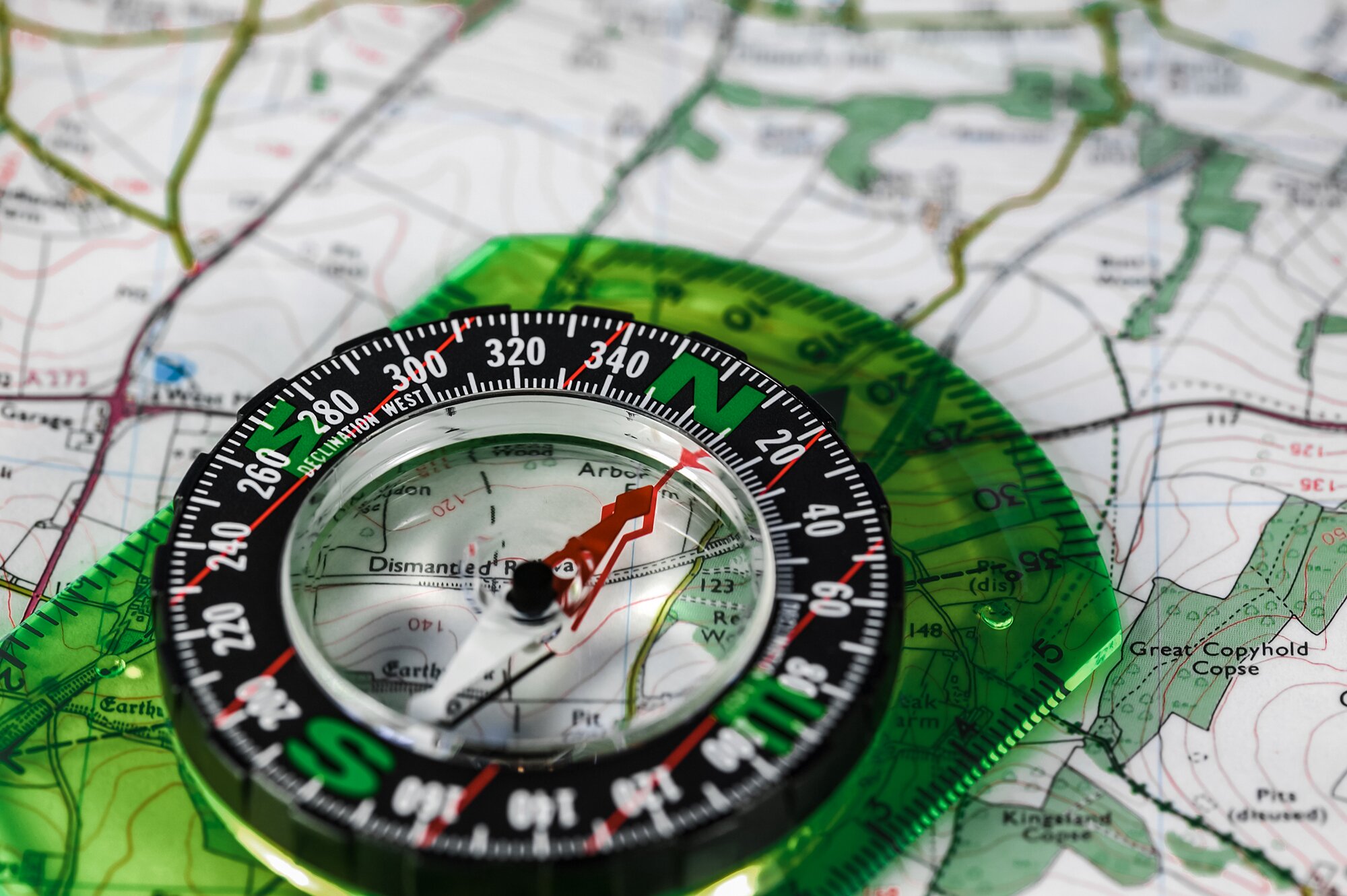
Do not rely on GPS when in a survival situation. Carry with you a map and compass to help navigate your way back to civilization. It is good to have both a road map and a topographical map of the area as well. These are lightweight and easy to pack.
Also, take the necessary steps to know how to read and use the maps and compass.
First Aid Kit
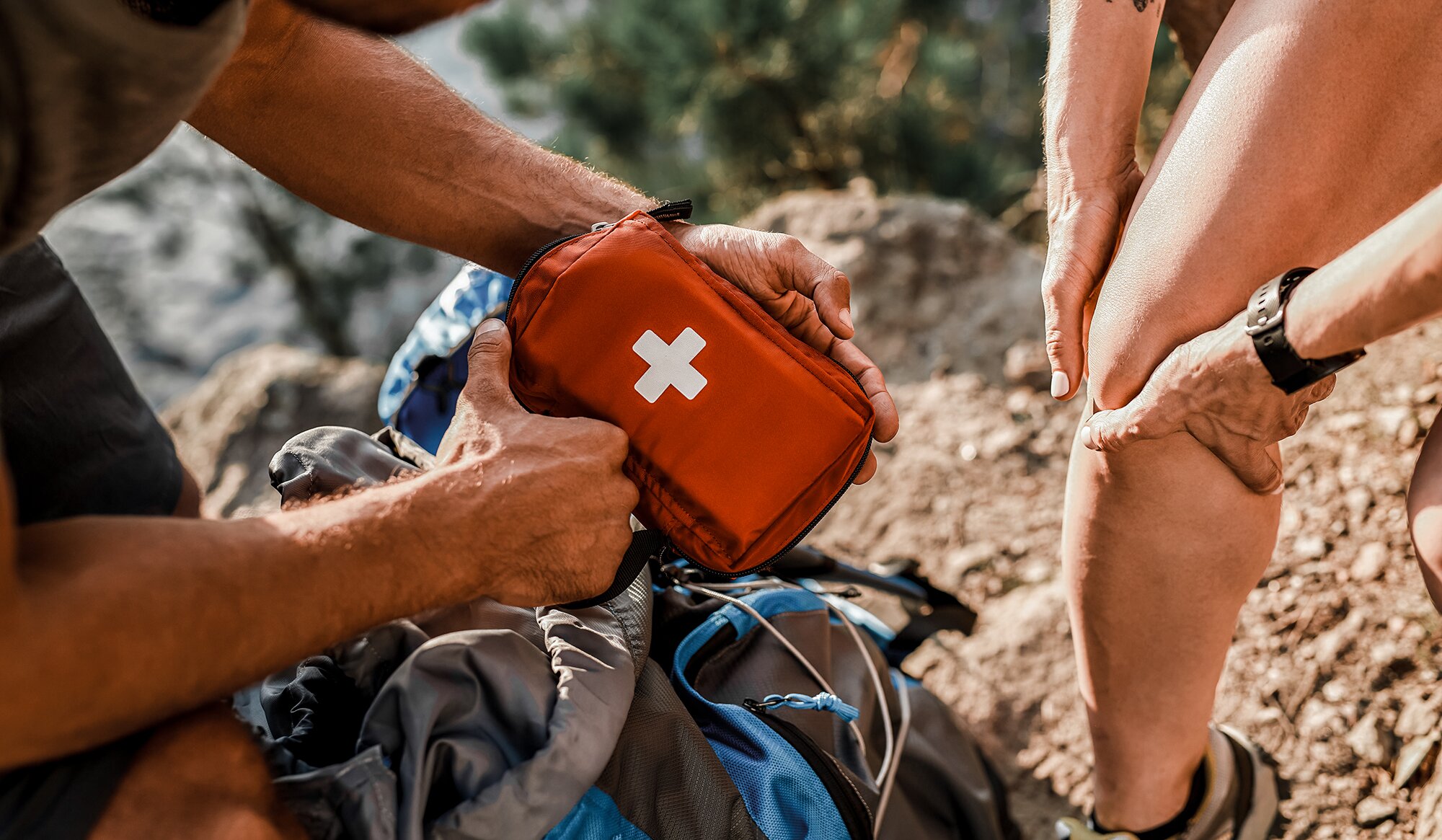
Be sure to have a good first-aid kit on your person at all times when away from home. A first aid kit is a critical item that should be accessible and easy to use. Having a dedicated first aid kit for your vehicles is also a good idea. General first aid kits can be a good place to start but be sure to supplement them with such items as pressure dressings to stop the bleeding in the event that injury may occur.
RELATED – Disaster Prep: The Importance of Everyday Readiness
Proper Clothing
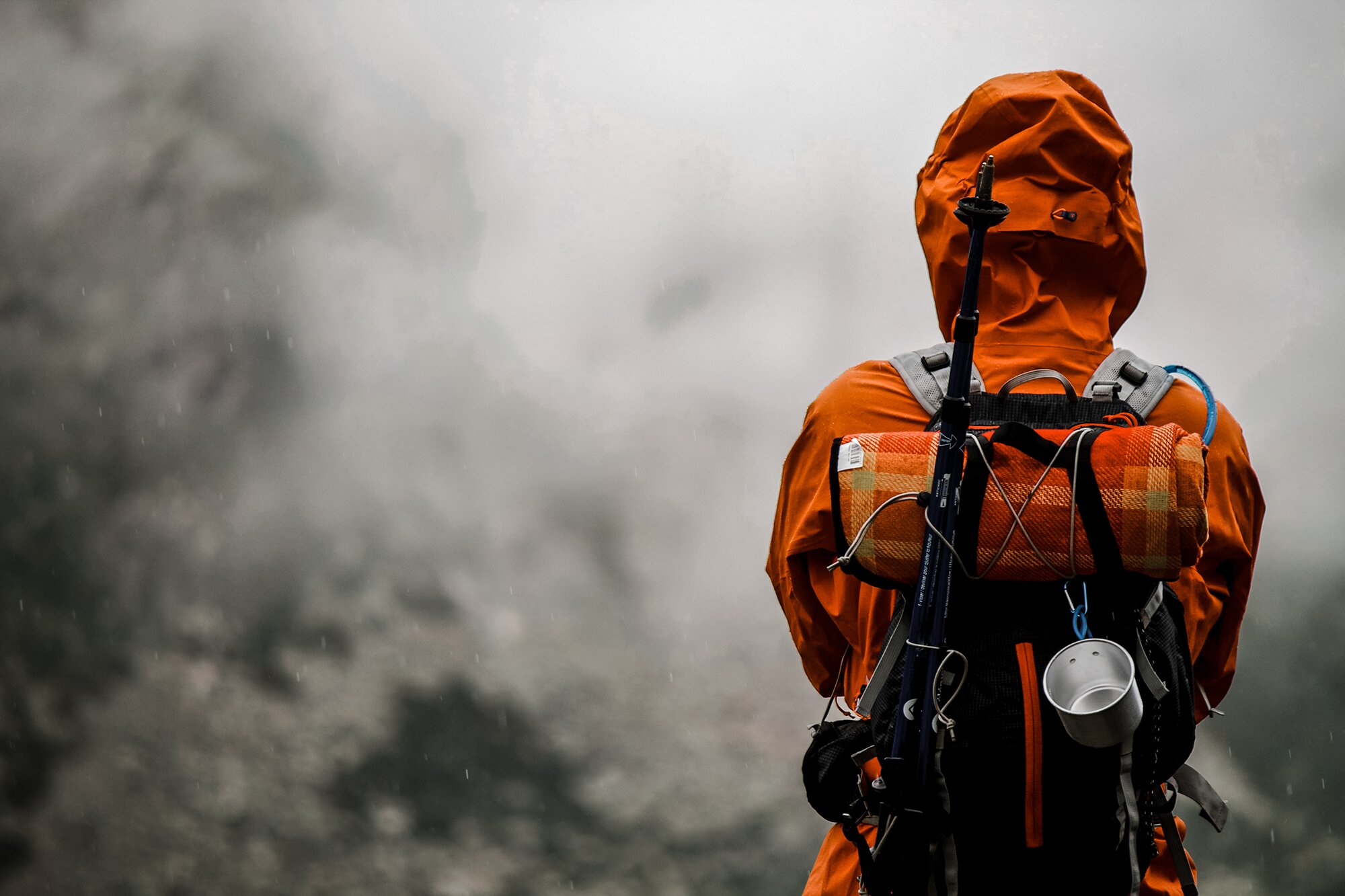
When you head into the wild, even on a mild day, always plan to dress for the worst. Hypothermia is one of nature’s biggest killers. The cold of the night must not be countered with fire alone, but also proper clothing. Always layer your clothes, remembering to wear loose, layered clothing.
Avoid cotton as a general rule. It retains moisture which makes it less insulating. It is difficult to dry and heavier to wear. This has been known to lead to hypothermia, pneumonia, etc. Clothes made out of synthetic and wool materials are recommended for this very reason.
Whistle
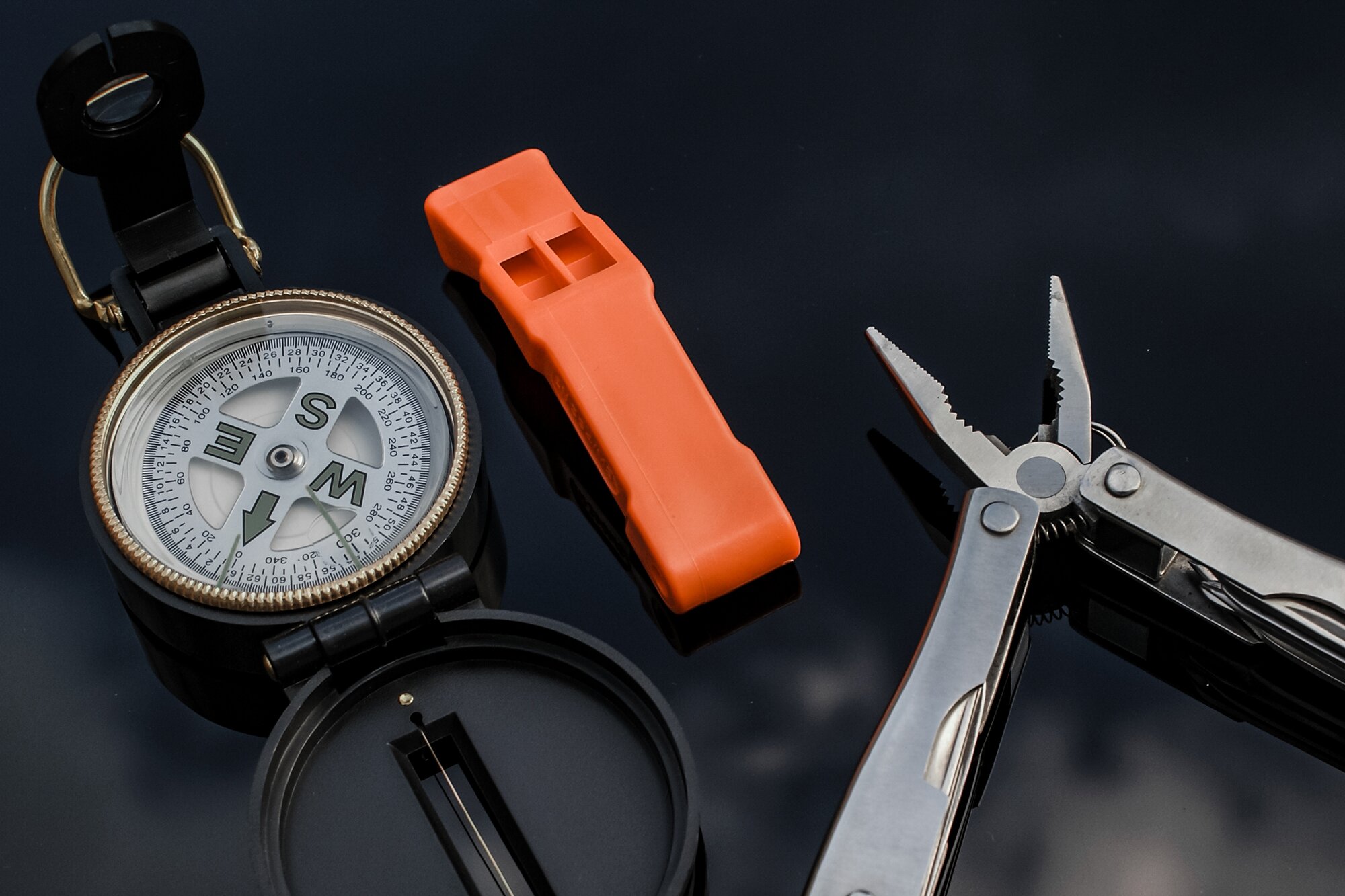
A simple plastic whistle kept around your neck or in your pocket is a must. Your voice will not reach far when calling out for help. However, blowing a whistle can help alert nearby people to your distress. Plastic whistles are recommended as they are lightweight, float, and will not rust.
RELATED – How to Survive on Wild Edible Plants and Not Get Dead
Signal Mirror
There are countless stories of search parties passing over lost people because they couldn’t see them. A signal mirror should be included in your survival kit. These lightweight, compact tools can reflect light at long distances signaling people far away of your distress. And you can use it for general hygiene as well.
Cordage
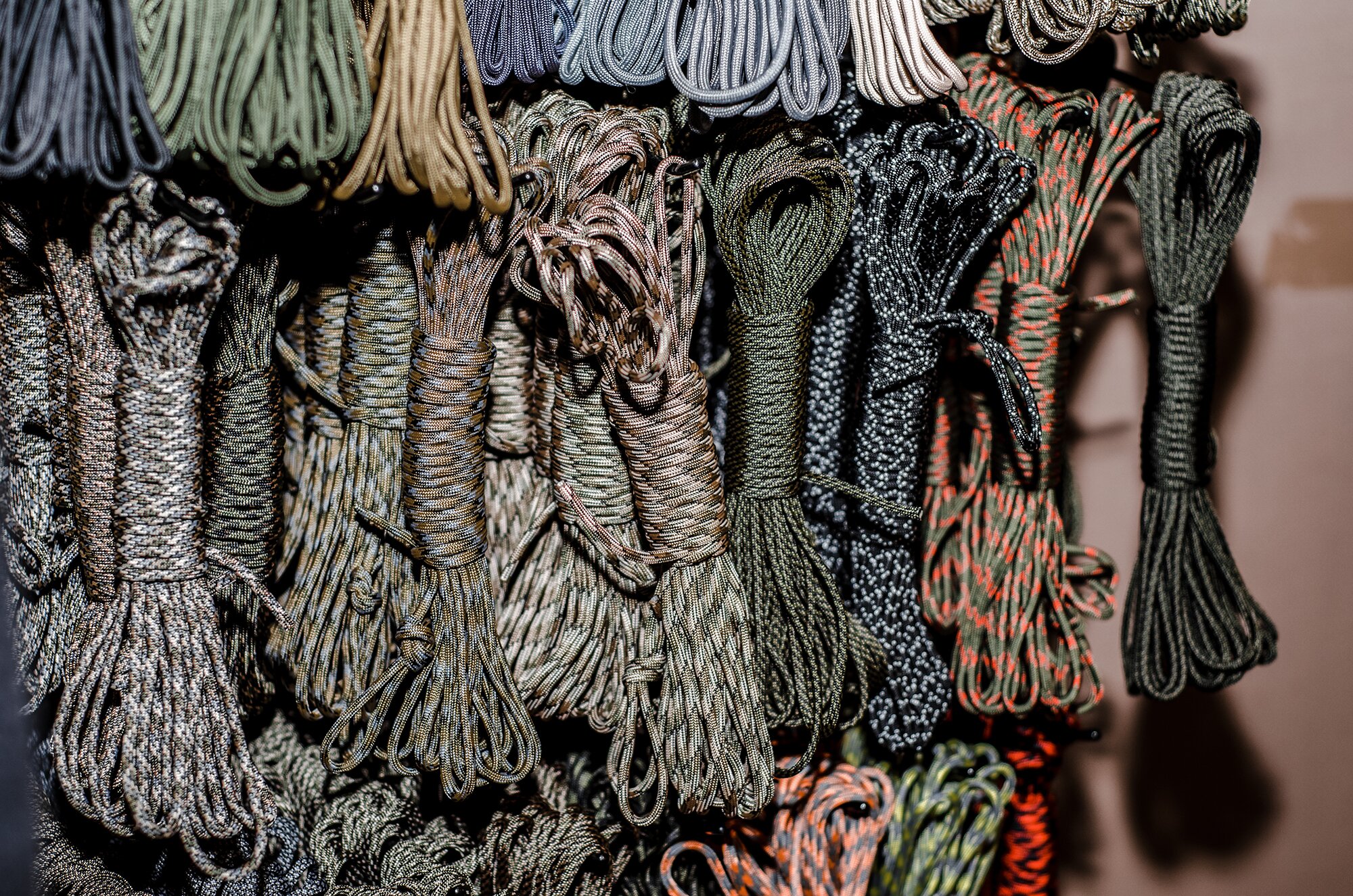
Cordage (rope, twine, wire, etc.) can be used to climb steep places, drag game you’ve killed, and tie bundles of firewood. It also serves many functions like a fishing line, cloth line, or a food line. Lightweight but high-quality cord can make all the difference in a survival situation. Titan SurvivorCord is a very unique multi-purpose paracord and is highly recommended for its range of uses.
RELATED – Bushcraft 101 With Kevin Estela
Water and Filters/Purifiers
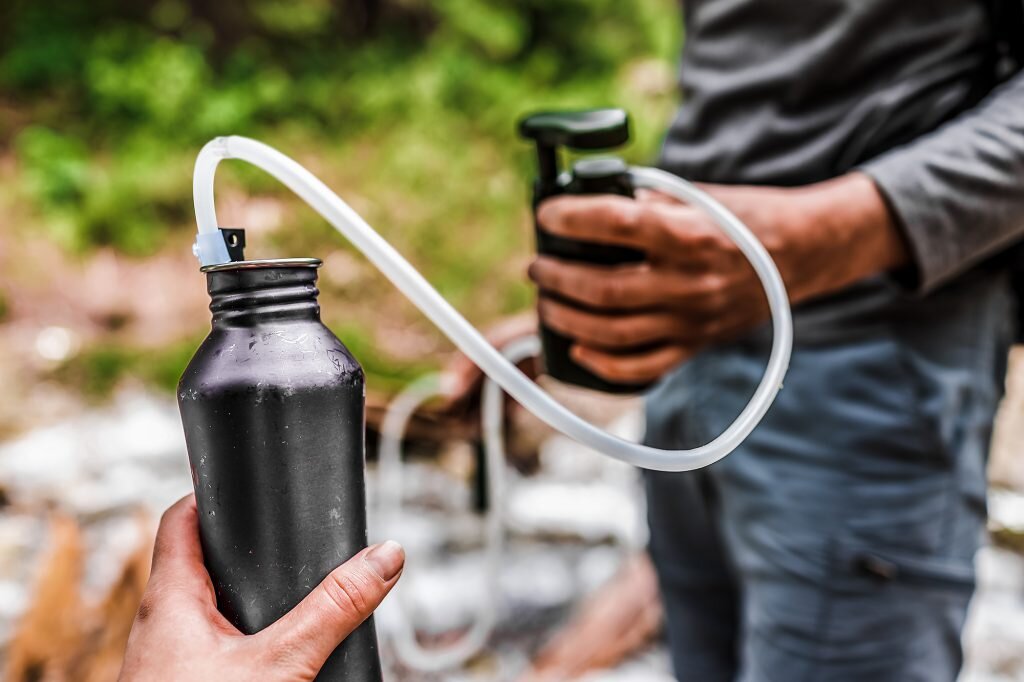
Despite the situation, you should plan on needing at least one gallon of water per day. But that much water is too heavy for anyone to carry. Finding water in the wild might not be too difficult, but you must make sure it is safe to drink. Having a water filter with you can make the difference between being sick and staying safe. Water filters are important.
Flashlight
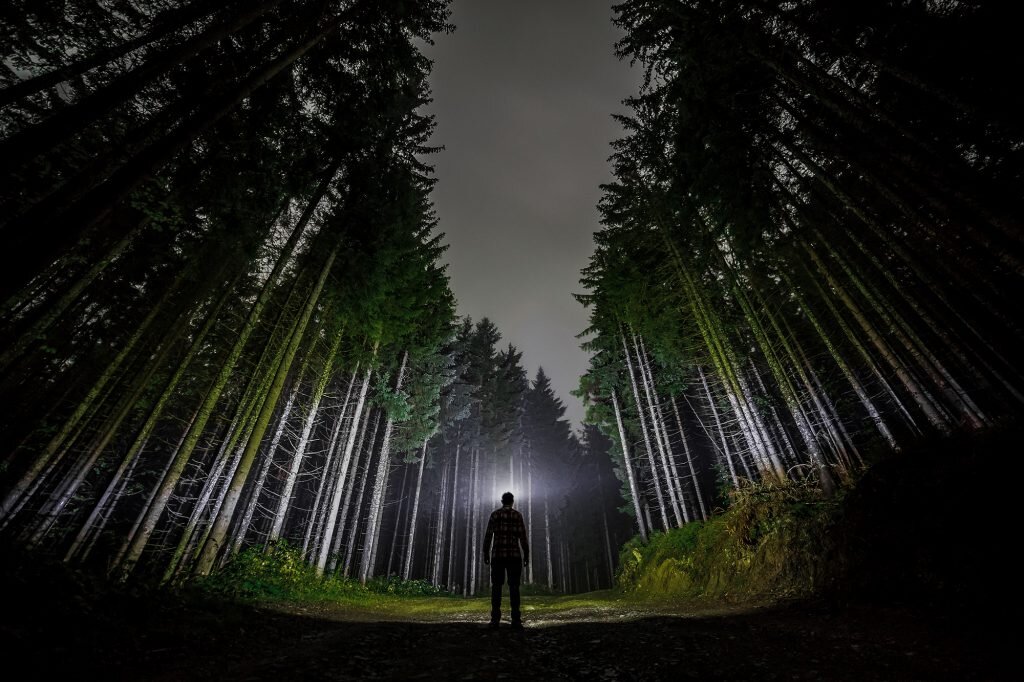
If you plan to venture out into unfamiliar territory or find yourself outside after dark, a reliable flashlight is a must-have in any survival gear. Flashlights have continued to get smaller and more lightweight. And in recent years, they’ve become more efficient and effective.
A Survival Gear Must: Knowledge
Merely having these items in among your survival gear isn’t enough. You must know how to use every essential item in order to enhance your chances of survival. Make sure you have a basic understanding of every item in your survival kit before you actually need to use them.
Pandemic Preparedness
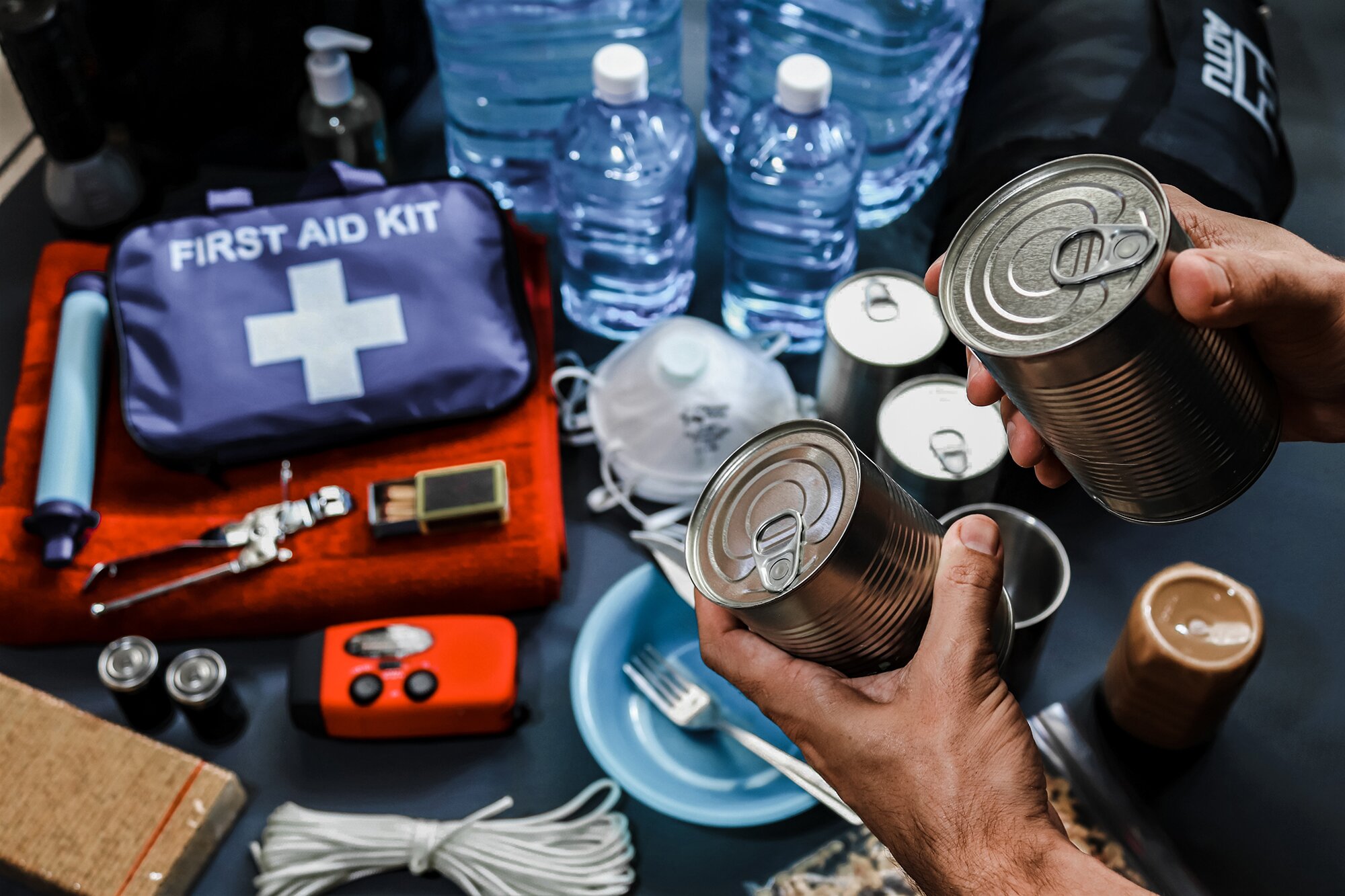
The worldwide COVID-19 pandemic taught us one thing above all others: most of us are woefully ill-prepared for the bad things that come. The pandemic proved a disaster equal to the way we typically think about fires, storms, and floods. Supply chains broke down. Goods became harder to get. Check out our Prepper’s Guide to ensure you have everything you need when the next disaster strikes.
This content was originally posted by Ballistic magazine in February 2022.
READ NEXT – 10 Outdoor Survival Skills That Everyone Should Master