
So you want to try bowhunting but have no idea where to start? Being interested means you’re already on the right track — keep in mind, I may be a bit biased since I think archery is the best sport on earth. Whether you’re a bowhunter putting food on the table, a competition shooter, or a recreational archer, there’s just something magical about shooting a bow. But I also know bowhunting for beginners can be intimidating, especially if you’re completely new to archery.
Here’s how easy it is to get started, the gear you need, and a bit about the basics of this amazing sport.
GOOD GEAR – Explore the Unkown With BRCC’s Beyond Black Roast
The Bow
Obviously, the first thing you need is a bow. Bows, however, are not one size fits all, and there are several main types to choose from before you get going.
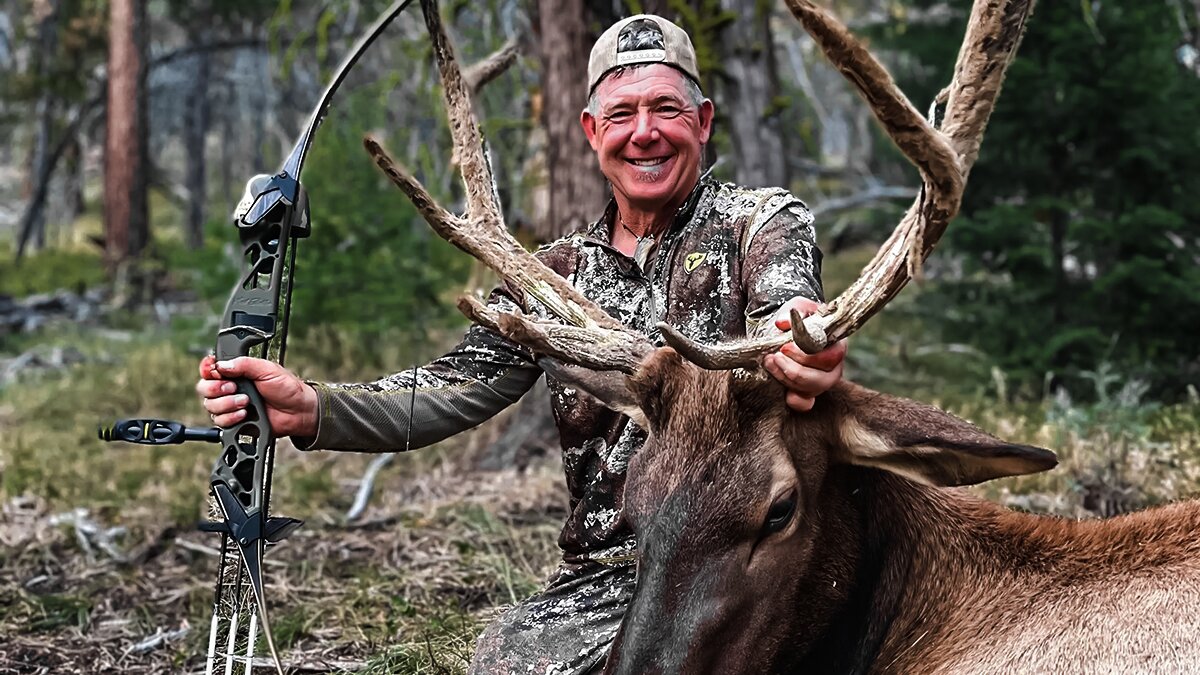
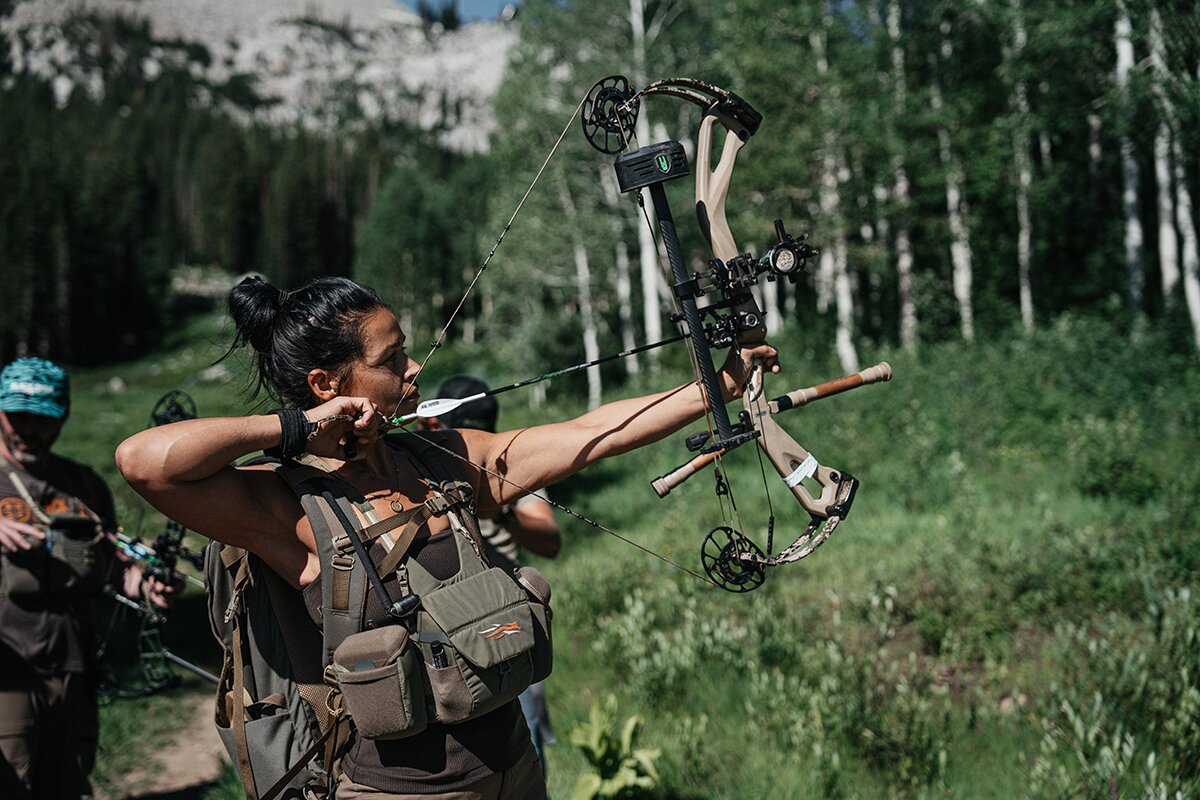
The main categories of bows you’ll run into are compound bows, recurve bows, and longbows. Compound bows have wheels, or cams, at the end of their limbs that mechanically reduce the force required to hold the bow at full draw by between 65% and 85%. This is the most popular type of bow for hunting today, but that doesn’t mean the others don’t also have their place in the field.
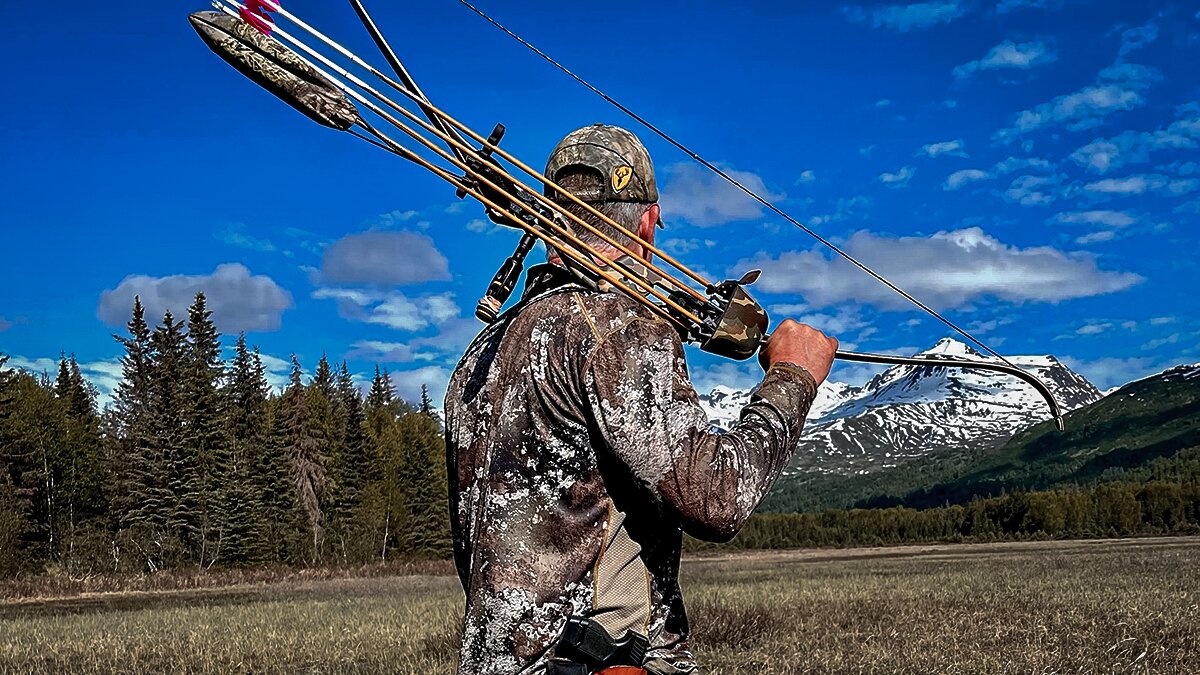
Recurves are bows with limbs that curve away from the archer when unstrung. This ancient form of bow design is extremely popular among archers of all types and is relatively easy to shoot. Next to compound bows recurves are the second-most popular.
The curve in the limbs gives an arrow more velocity from a shorter overall bow. You’ll often hear this referred to as a traditional bow and the use of a recurve bow called traditional archery — or just trad.
A longbow, as its name suggests, is long and often made from a single piece of wood, with the tips of the limbs curving back slightly toward the archer. A longbow can be a bit more difficult to master than a recurve, but this equally ancient bow design is a lot of fun to shoot. Technically, longbows are also trad bows.
RELATED – John Dudley Puts Fears of PSE Faithful to Rest
Determining Your Proper Draw Weight
Draw weight is the amount of weight you pull when you hold the bow and draw the string.
The draw weight of all bow types can range widely to accommodate different strength levels and specific purposes. Hunting bows generally tend to have higher draw weights. Many compound bows can be set between a range of draw weights, and many recurves have replaceable limbs that decrease or increase the bow’s draw weight.
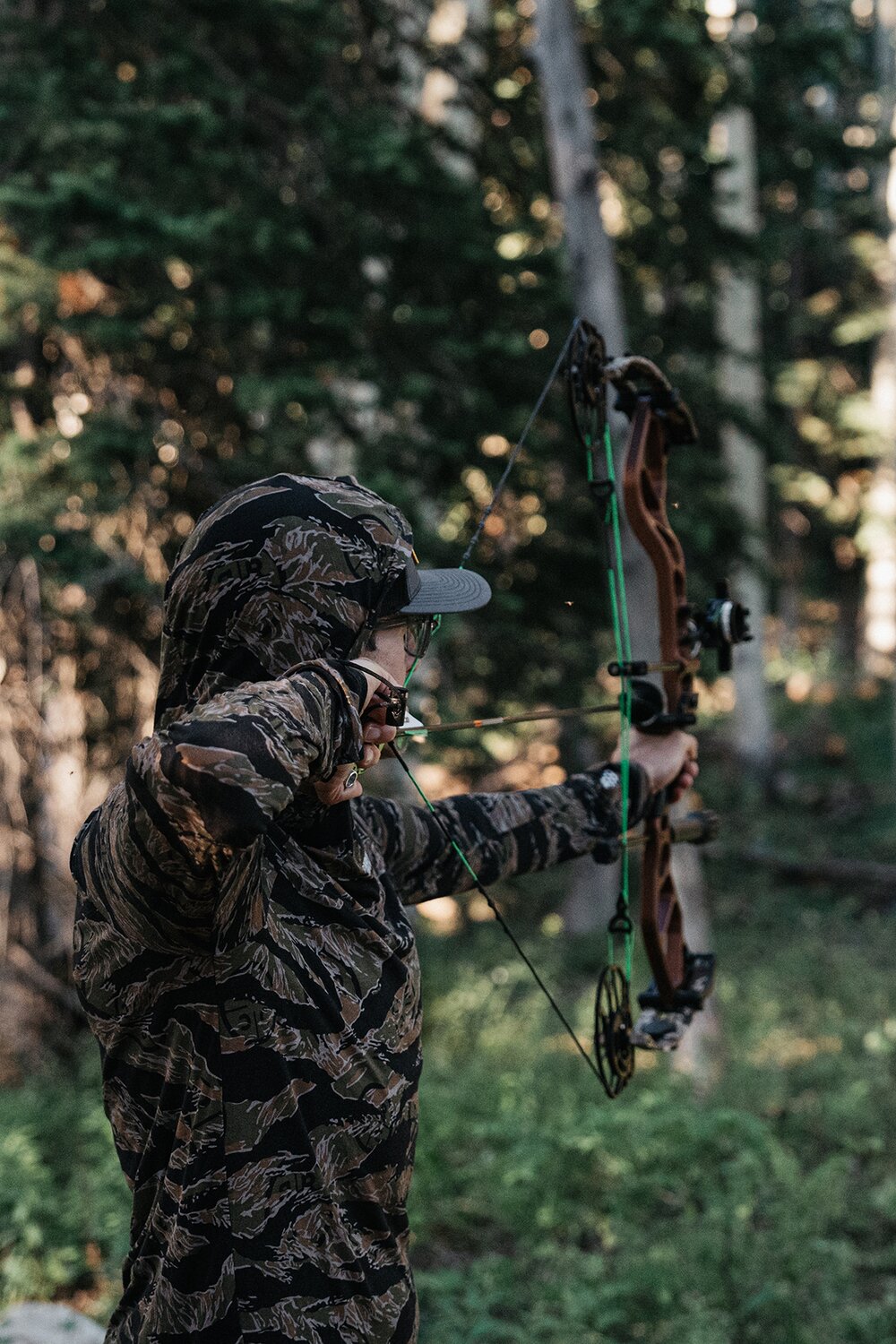
If you’re completely new to archery, I suggest going with something super easy that you can enjoy shooting without straining, so you can focus on the fundamentals of form and develop a good release. I started my kids out when they were 6 to 10 years old on appropriate bows, and they still enjoy shooting today as adults.
The local archery pro shop is your best resource here — especially if it has a range or shooting lane. They can let you try a few bows with different draw weights so you can get a feel for it and decide where you’re comfortable starting and where your ceiling might be, which will help determine the bow you choose.
GOOD GEAR – Embody the Ethos of the Quiet Professional With BRCC’s Silencer Smooth Roast
Bowhunting for Beginners: Where to Get a Bow
Although it may be tempting to purchase a previously owned bow online, at a garage sale, or in a pawnshop or the like — I would strongly recommend going to a qualified archery dealer. Bows, especially compounds, are designed to fit you like a pair of shoes — better, actually. You need someone who knows what they’re doing to take measurements and adjust a newly purchased bow to fit you.
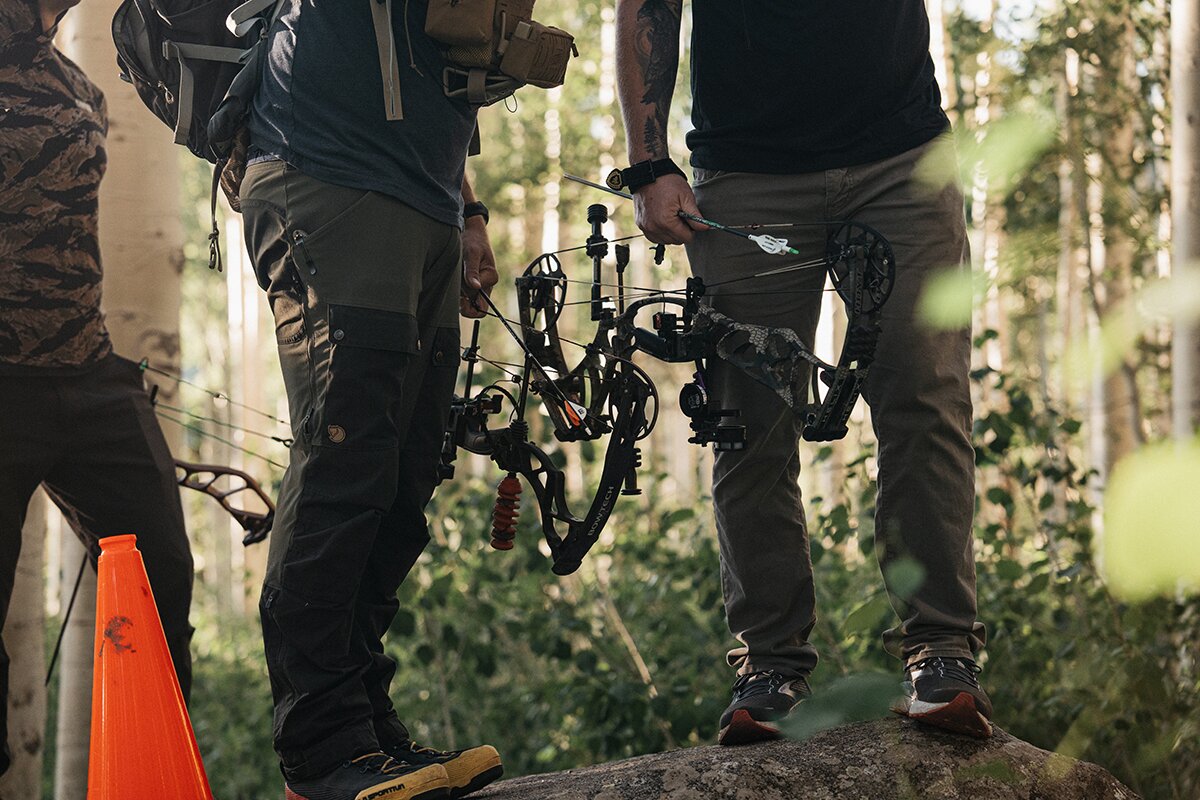
Of course, you can shoot a bow that doesn’t fit, but you won’t ever get anywhere near peak performance, and you might develop bad habits out of the gate.
Dedicated archery shops or Bass Pro or Cabela’s stores have archery technicians that can assist you with everything from figuring out your draw-weight range, draw length, and arrow length (and they can cut your new arrows for you) to installing a peep sight and D-loop in the right place on a compound bow.
For beginners, I suggest a compound or a recurve bow. Ideally, try both and see which you like better, but here are the biggest differences between the shooting experience of each, for those who don’t know.
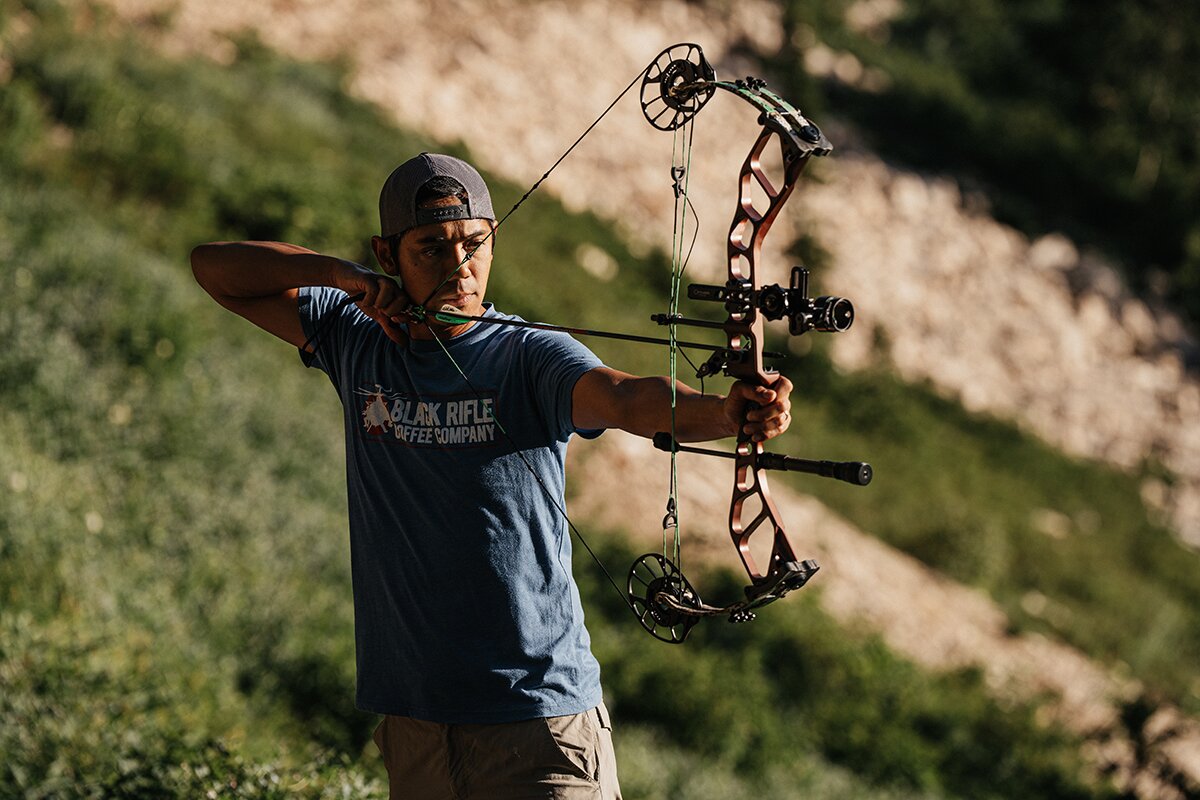
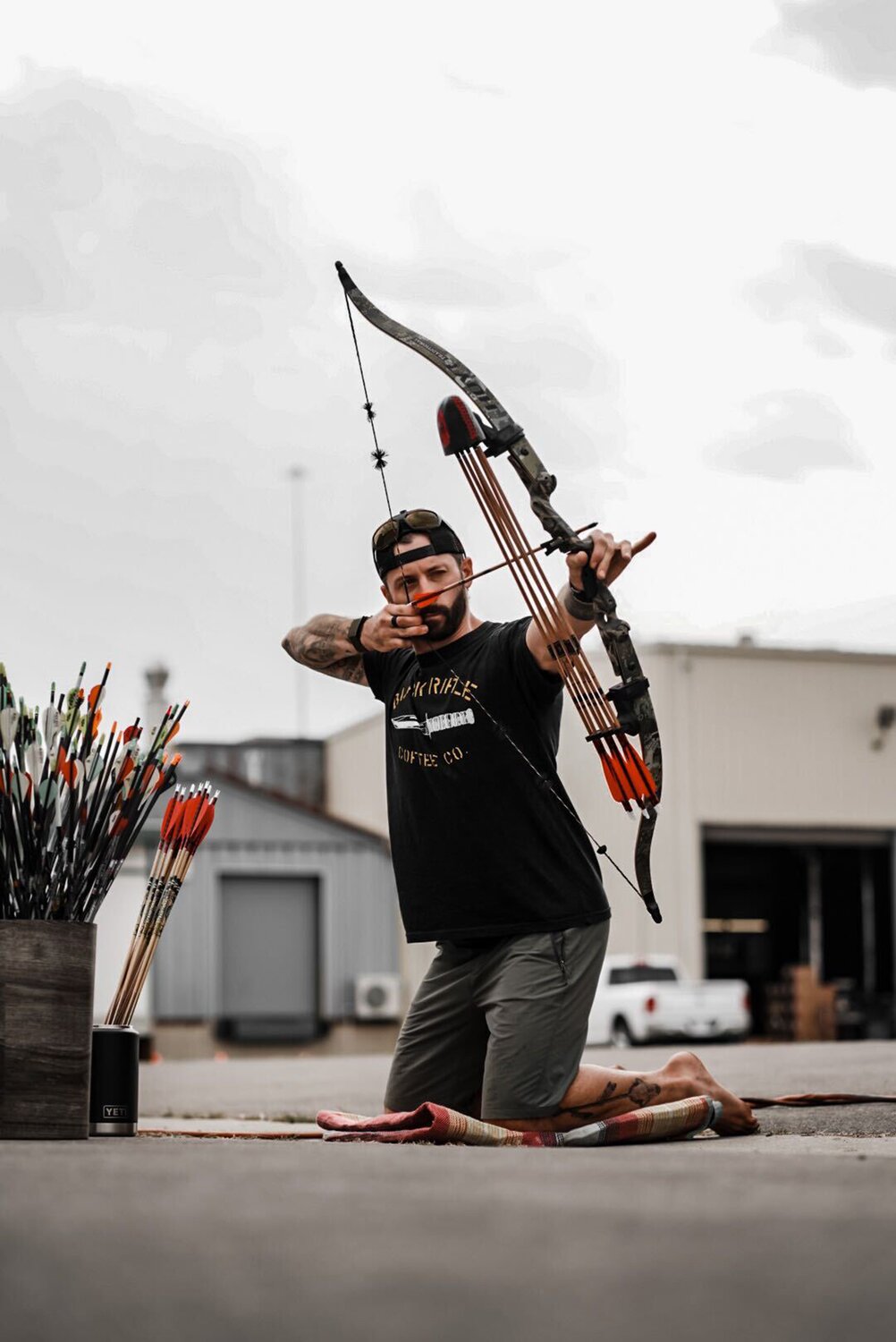
A compound, as it’s designed, is easier to hold at full-draw and is usually used with both sights and a mechanical release, a device with a trigger that clips onto a D-loop tied to the string, allowing the strain of drawing and holding the bow to be spread over all the fingers of the hand or transferred to the wrist, which makes it easier to hold the bow at full-draw for longer and allows for more consistent releases via the trigger mechanism.
With a recurve, you’ll usually shoot without sights and pull the string back with your fingers using a small piece of leather called a finger tab that protects your fingers. You can also use a glove with thick finger pads.
RELATED – Women’s Warrior Retreats: Pushing Female Bowhunters Further
Bowhunting for Beginners Gear Guide
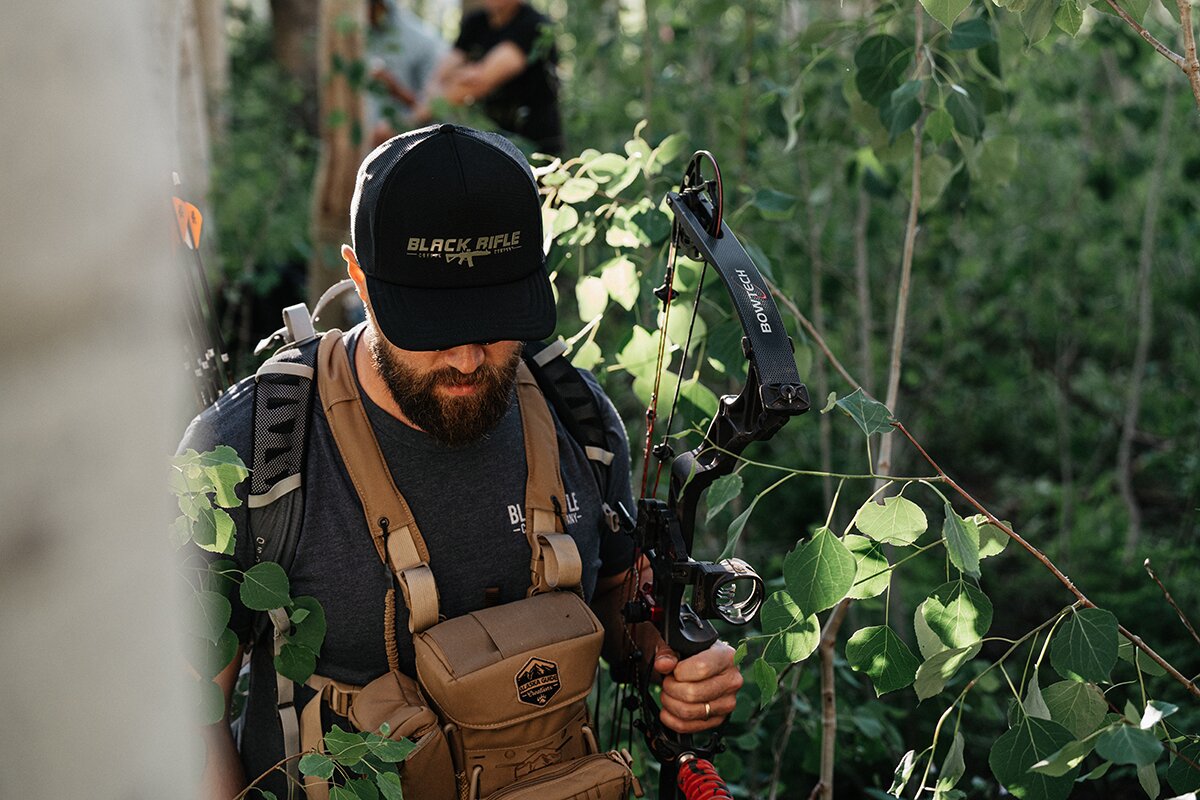
Here is an easy-to-follow list of what you will need with approximate prices for beginner equipment. Bear in mind that, as with many sports, you can spend a lot or a little, depending on how much you get into it.
I left out a longbow because it’s not really where you should be starting if you’re brand-new to bows. I also left off crossbows. Even though they are popular and are often used during archery seasons, depending on various state hunting laws, they’re a whole different beast.
As you will see, the recurve is less expensive to get started with than a compound bow, but they’re usually a little harder to master.
The Cost of Entry
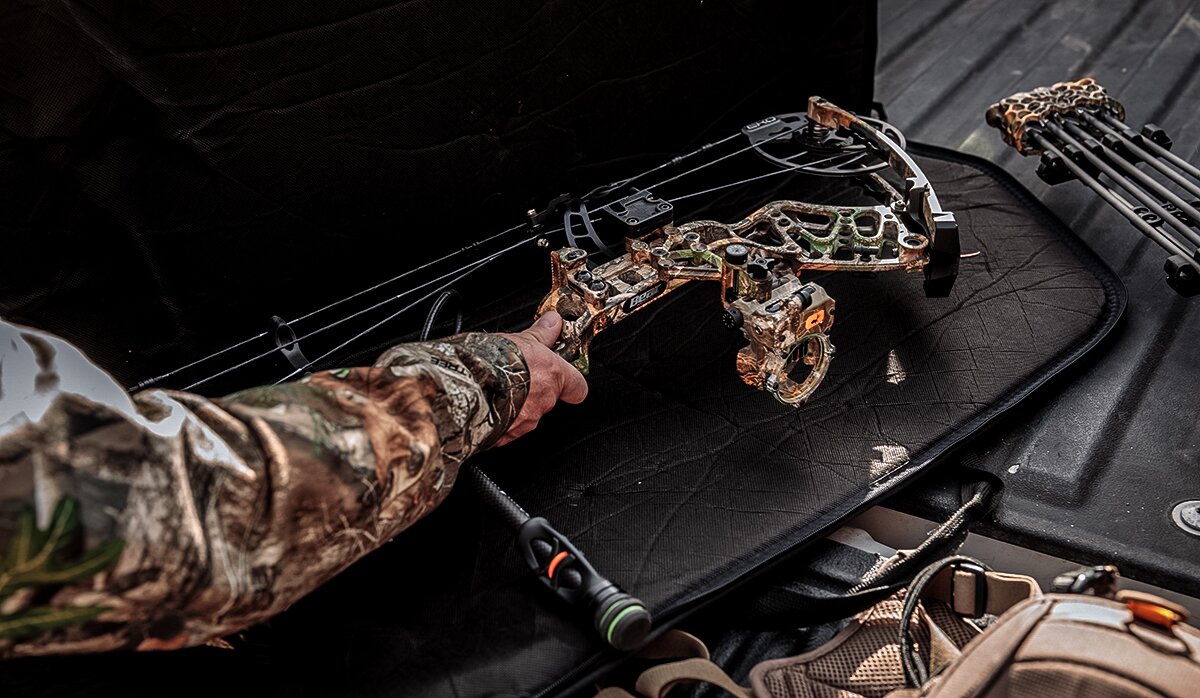
Compound BowYou can plan on spending $300 to $500 for a brand-new beginner bow or a less expensive used bow that will work fine until you’re ready to upgrade.
Recurve BowAn average beginner recurve bow or lower-tier trad bow goes for anywhere between $180 and $350.
GOOD GEAR – Keep Your Coffee Hot or Cold With the BRCC YETI Reticle Rambler Mug
Essentials You Need to Get Started
Aside from a bow, you will need the following gear to start bowhunting:
RestAn arrow rest is utterly necessary. If you buy your bow at a pro shop, they’ll likely sell you a rest to go with it, and there are several types in different price ranges. The most expensive will be a drop-away rest for a compound bow — any rest for a compound bow will run you between $50 and $200.
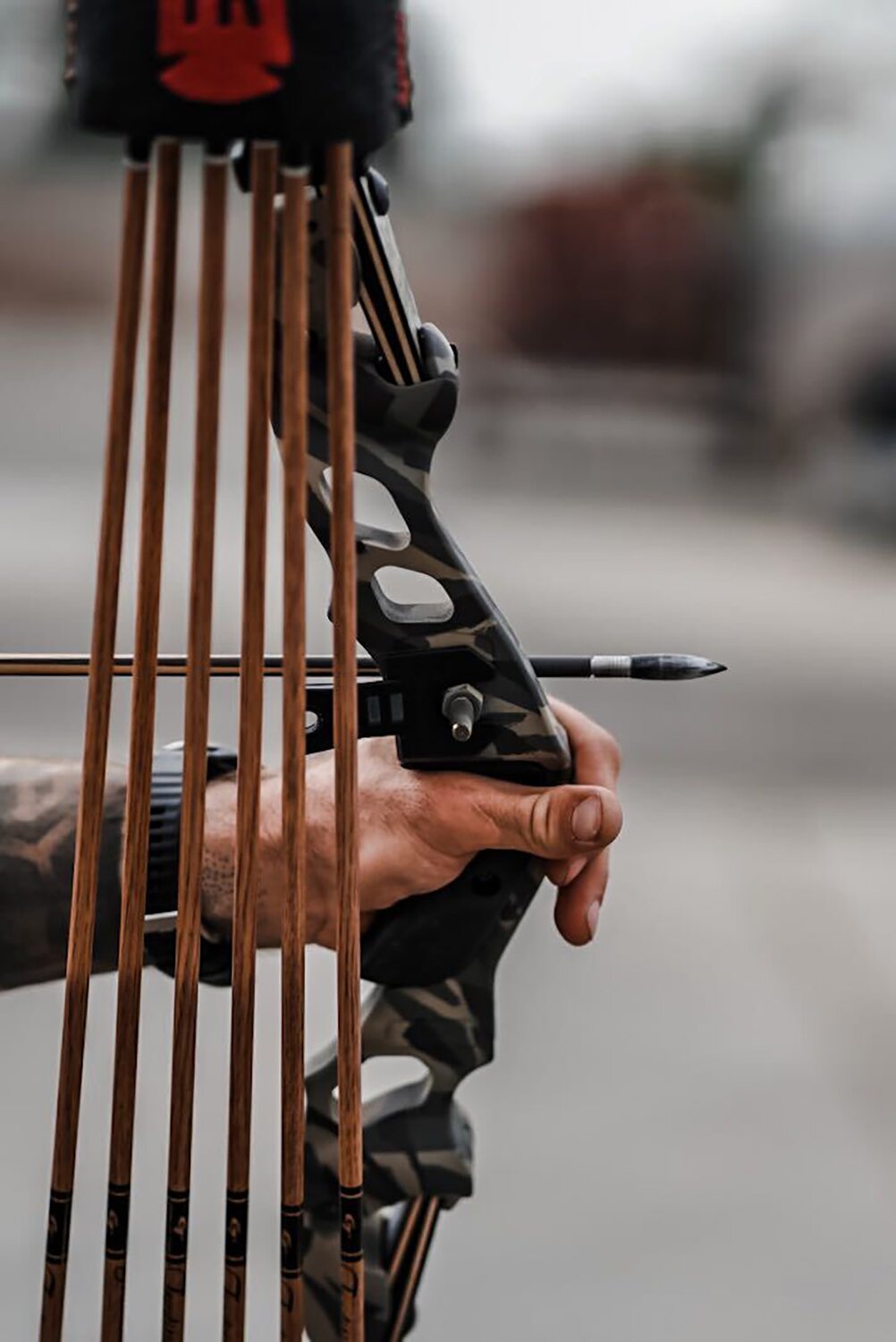
Rests for recurve bows are also necessary but comparatively simple devices and far less expensive, ranging from $15 to $30.
RELATED – ASA Archery: Everything You Need to Know to Start Shooting
A Dozen ArrowsYou can go with a half dozen, but I usually suggest a dozen to get started. Arrows fletched with plastic vanes or feathers will run about $160 to $200.
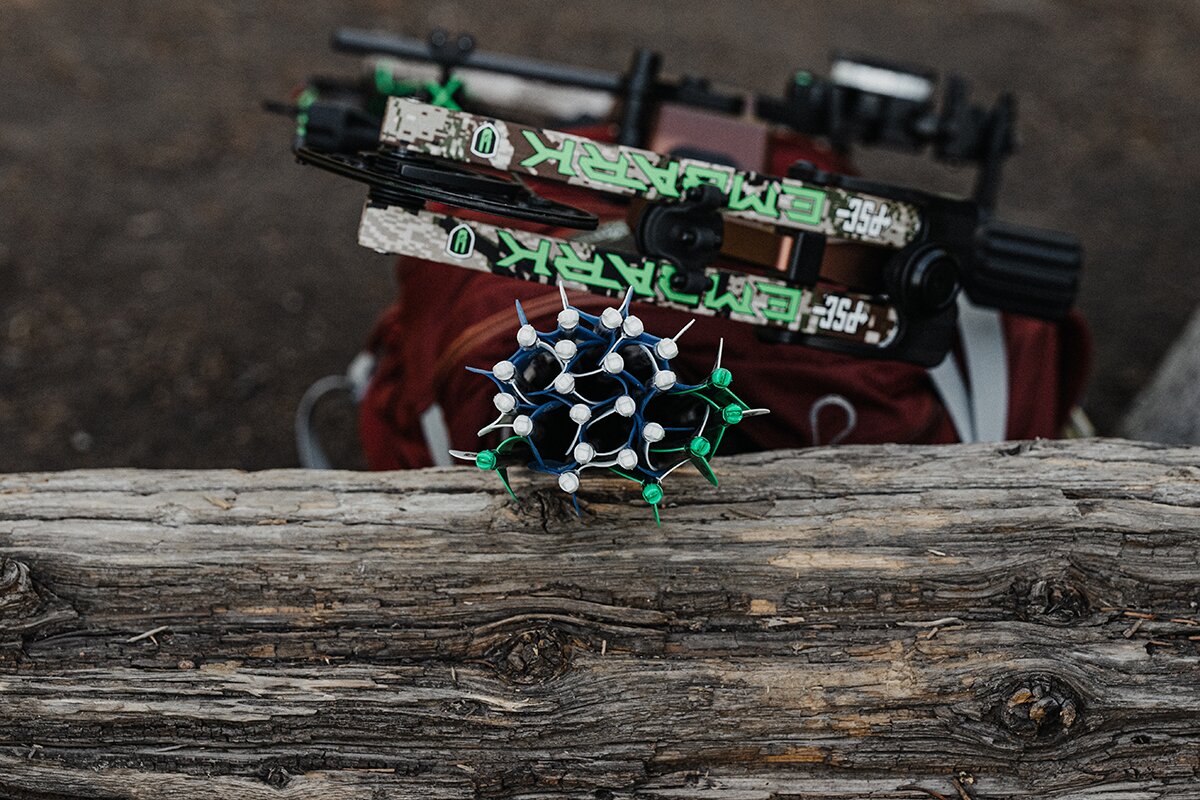
A Dozen Field PointsYou will also need practice points, aka field points or target points, for those arrows, which usually weigh between 85 and 125 grains, depending on your draw weight and arrow length. Don’t worry, a pro shop, Bass Pro, or Cabela’s tech will help you with this.
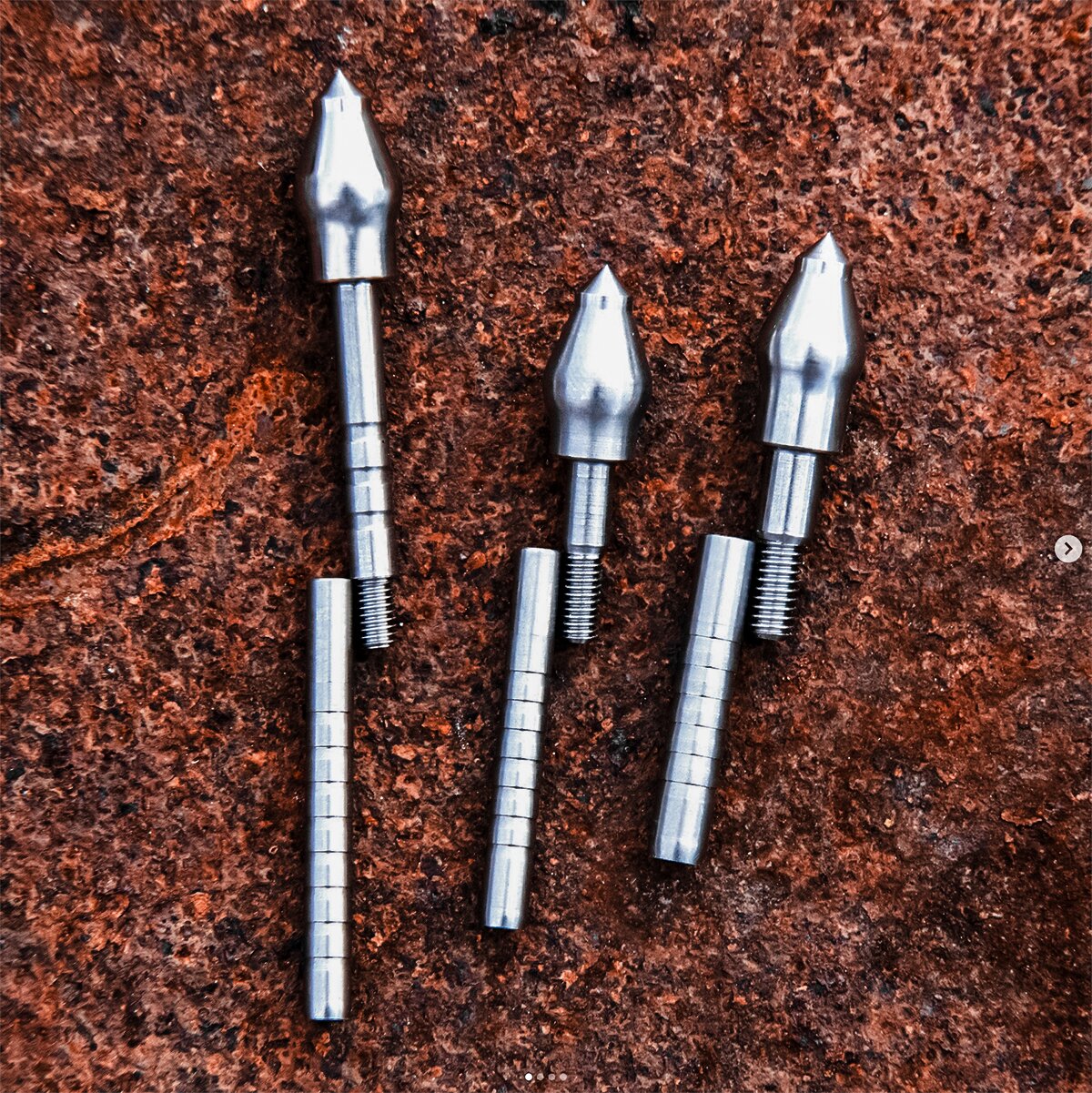
You’re striving for an ideal “front of center” balance, meaning the amount of weight that’s on the front half of the arrow. When you get it right, you get a flatter-shooting arrow and better penetration.
A Half Dozen Hunting BroadheadsYou’ll have to buy at least six hunting broadheads, which will usually run you $30 to $50. They should weigh the same as your practice points, but it’s a good idea to practice with one of your broadheads before you go hunting to ensure it flies true.
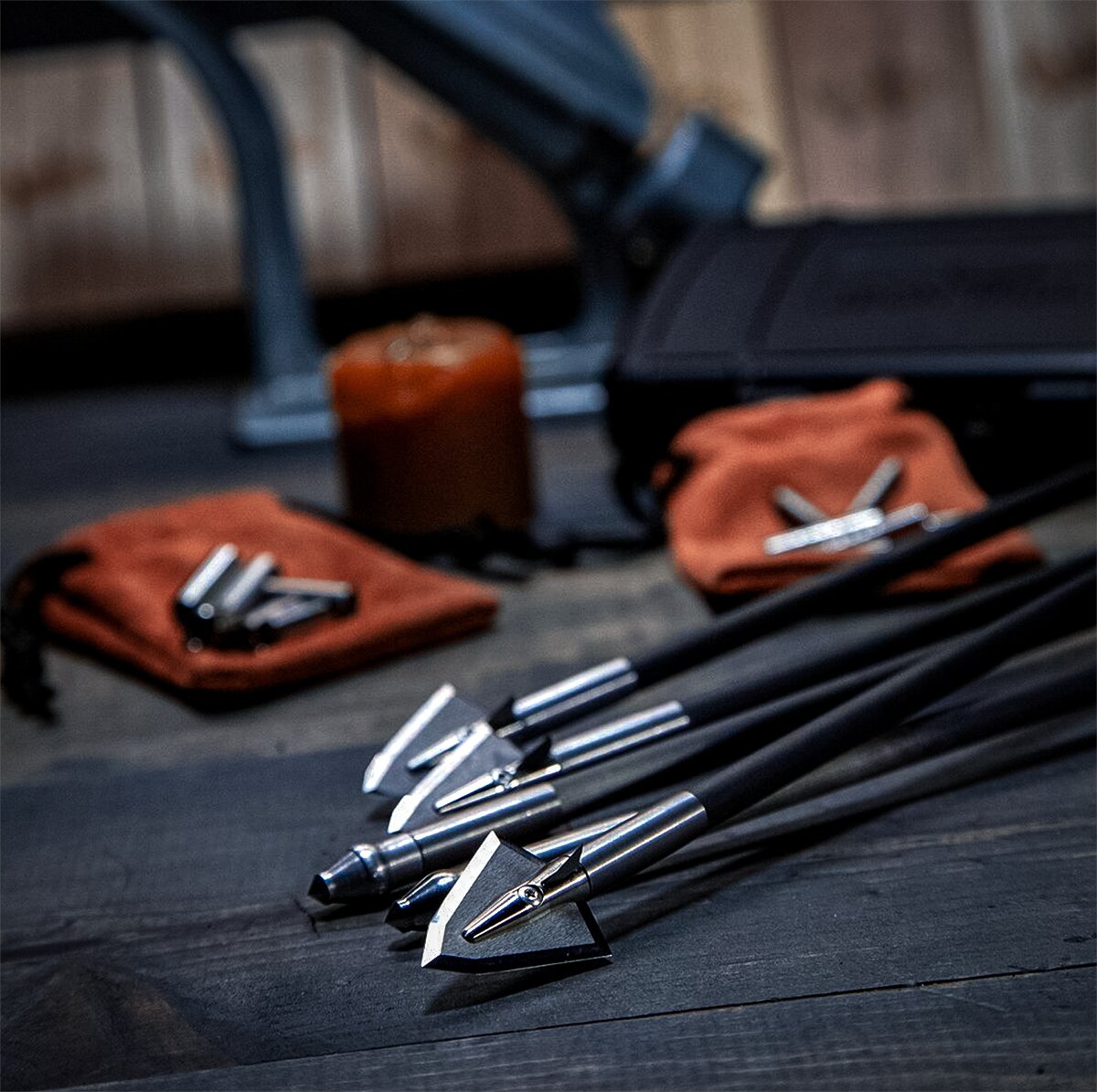
After practicing with your dozen arrows, you’ll identify your “good” arrows, and these should get the broadheads and go hunting with you.
Finger Tab or Glove for RecurveA finger tab is a simple piece of leather or tough synthetic material that goes between your fingers and the bowstring. Or you can use a glove, which is typically made of thick leather or a synthetic material and covers every finger of the shooting hand but the pinky. These are fairly cheap and will run you between $15 and $30.
RELATED – Glassing Camp: Become a Better Hunter in the Off-Season
Release for CompoundsFor a compound, most people use a mechanical release aid, which can run from $80 to $150. (If you want to go high-end, like the Nock On Nock 2 It release, plan on dropping about $235.)
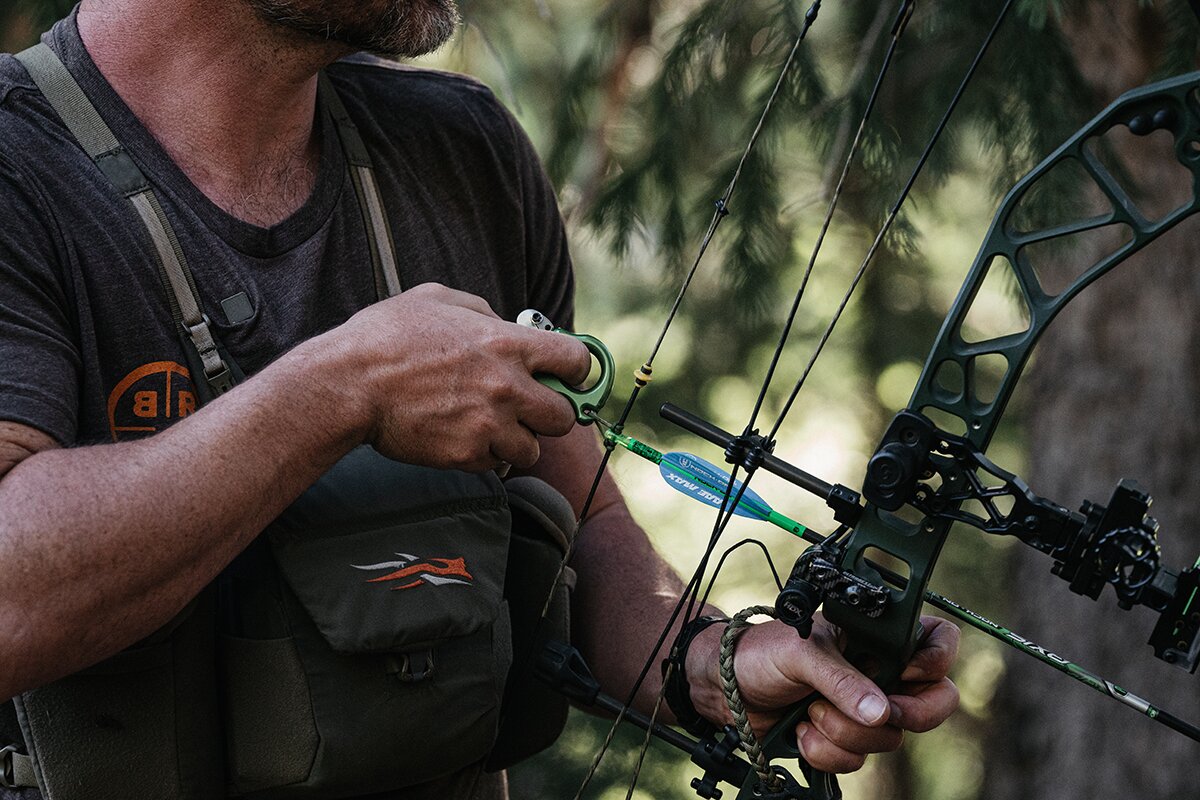
Compound Bow SightCompound bows need a sight of some kind. Some beginner bow packages come with all these basic accessories attached, including a rest and at least a rudimentary pin sight. If you’re buying your own, a basic bow sight will cost about $30. Middle-of-the-road pin sights hover around $70 to $100, and single-pin sights will get you into the $200 to $400 territory.
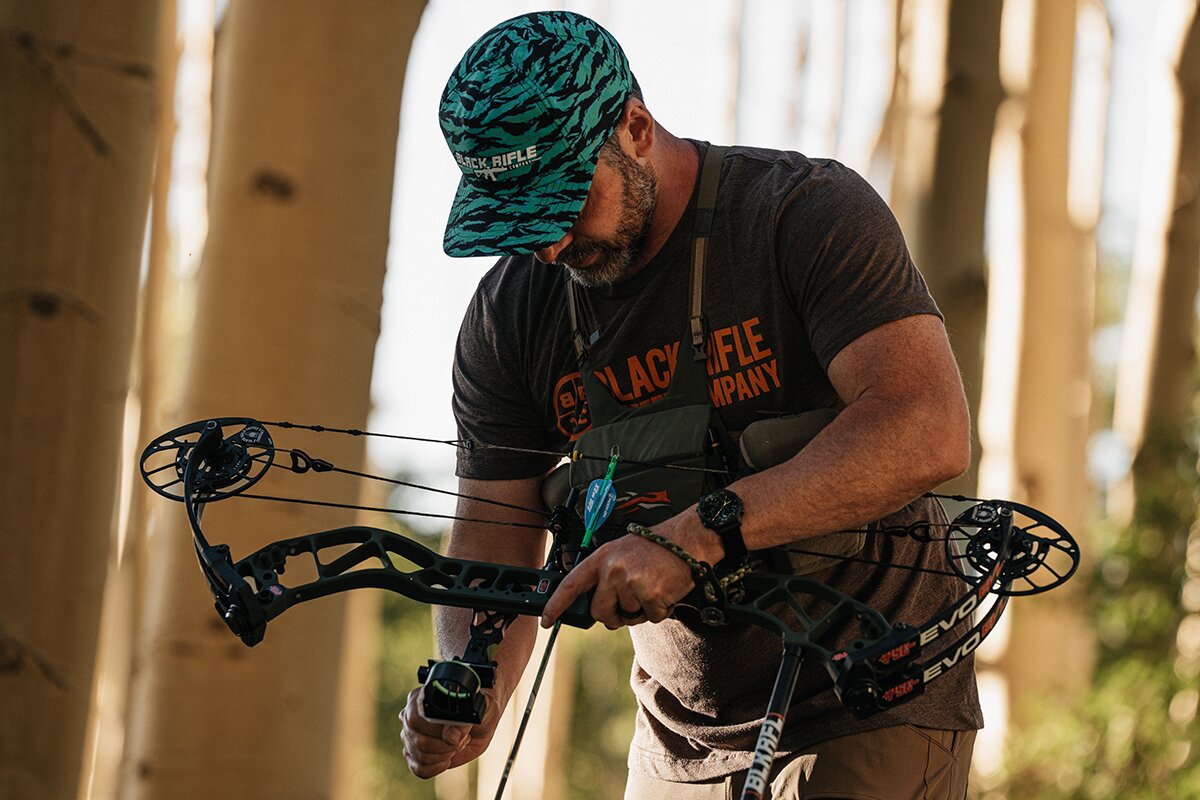
Peep SightA compound bow needs a peep sight installed on the bowstring that lines up with the bow sight — think of it like a rear sight and a front sight on a rifle. A peep is a simple device that typically costs $10 to $30, and most bow shops won’t charge to install it — just make sure you’re comfortable with its position.
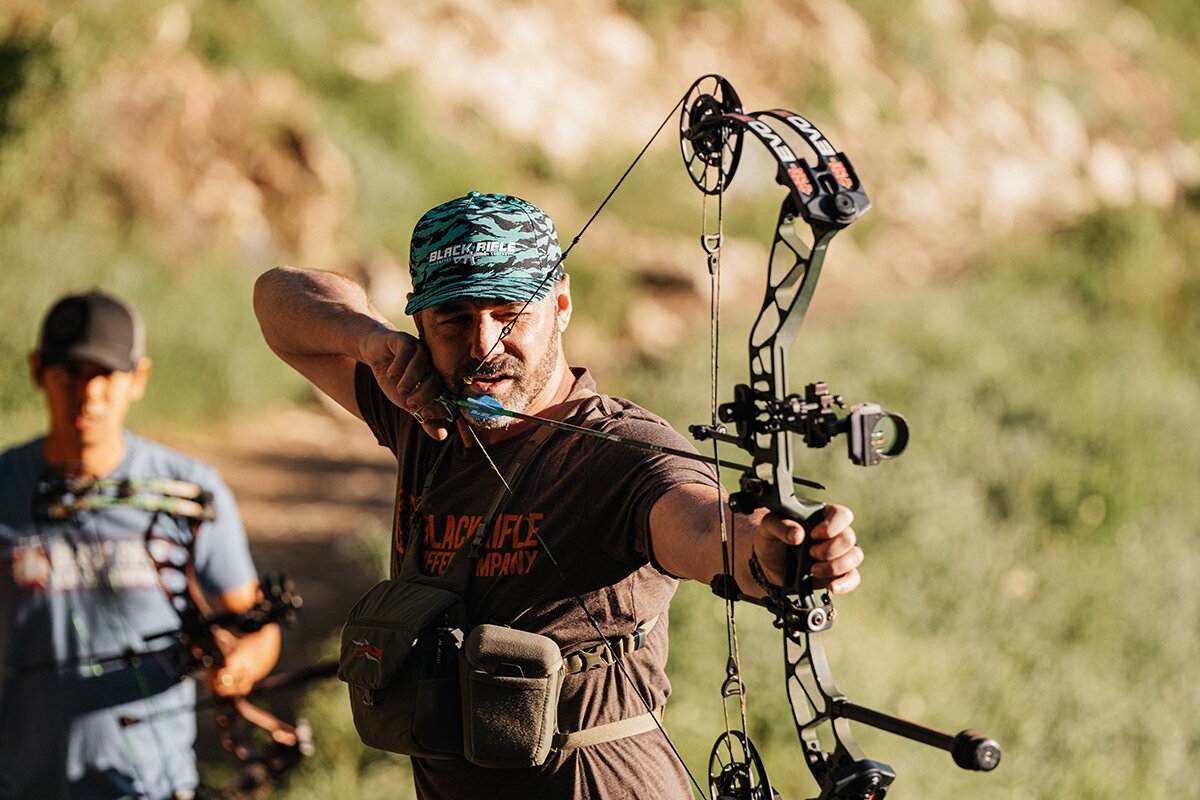
Recurve SightA recurve is usually shot without sights and is more instinctive. In other words, you get better the more you shoot and begin to rely on muscle memory over a sight. However, if you want to start out using one and build up to shooting without a sight, a recurve sight will run you $20 to $30.
RELATED – Elk Hunting Gear: A Complete Guide to Quality Kit
QuiverA quiver holds your arrows on the range and in the field. For hunting, I prefer one that mounts to my bow. Most bow quivers are $40 to $75. A pocket quiver isn’t necessary, but it’s a great accessory for range sessions, and they go for about $30.
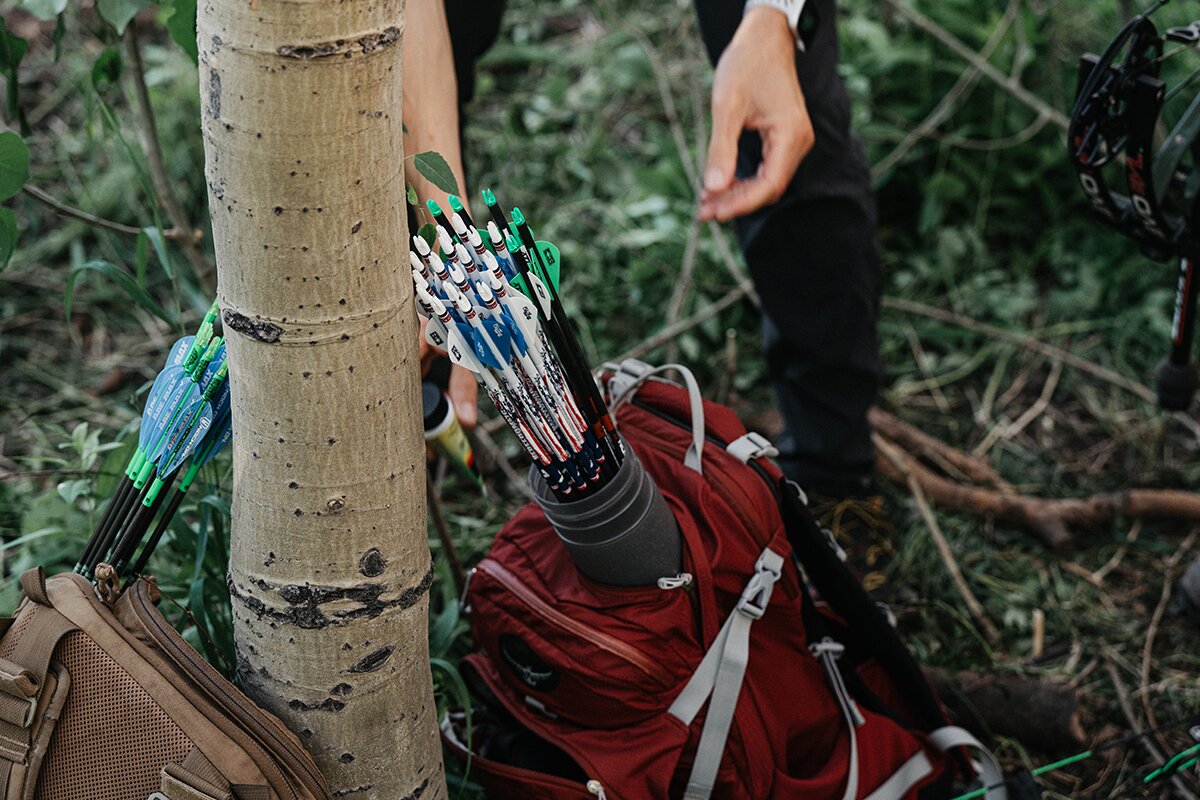
For competition shooting in an event like the Total Archery Challenge, you’ll want a quality hip quiver, and that can set you back around $50.
So, there’s a rough-and-brief breakdown of what you’ll need to get started in archery and bowhunting in terms of archery tackle, and a rough idea of what you’ll have to spend.
Of course, you can go a little less expensive if you go with used equipment, but it’s still a good idea — at a bare minimum — to buy your bow from a store with a qualified archery technician on hand who can adjust and properly fit your new bow (and cut your arrows).
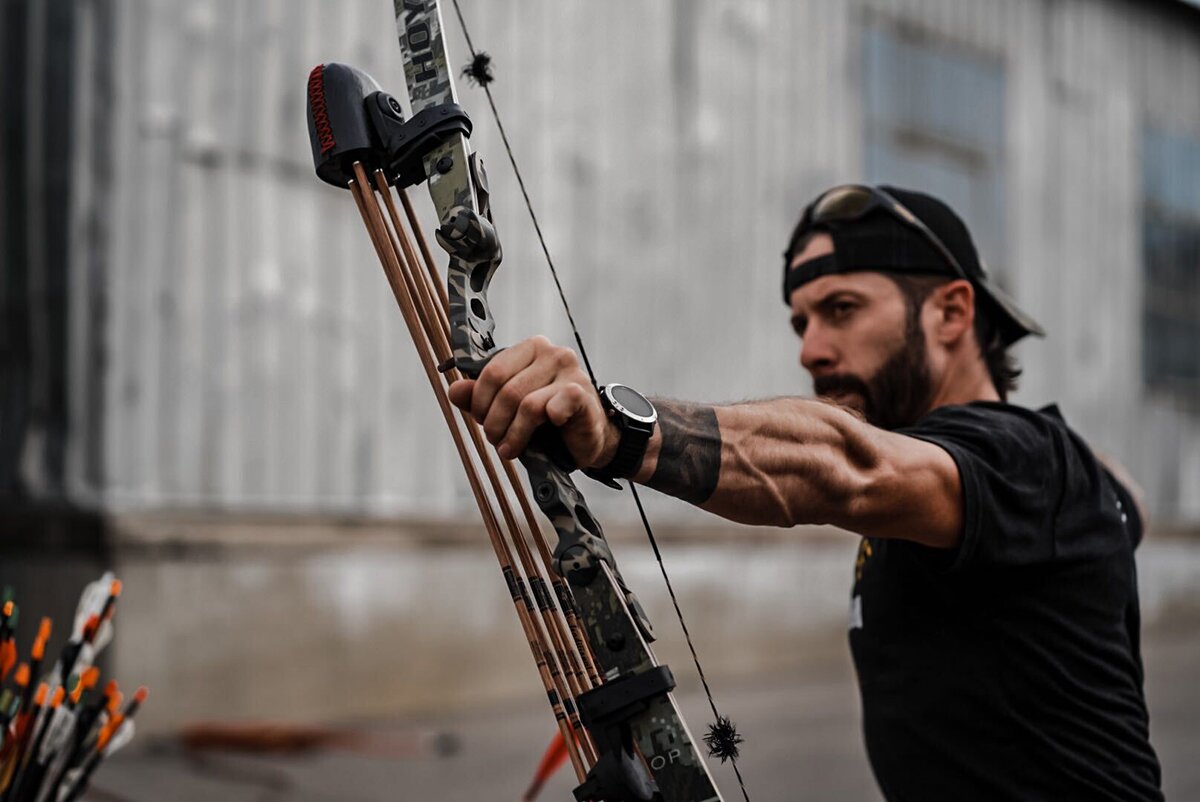
Fortunately, many bow shops sell used bows, and that can be a great option. A lot of people upgrade bows that have plenty of life left in them.
I hope you will look into bowhunting or just shooting recreationally because archery is a great sport that will pay dividends as far as fun in the field, whether you are by yourself or with friends or family.
READ NEXT – Cam Hanes: Bowhunting’s Ambassador to the World